
March 2, 2026
Next Quarterly Federal Filing Deadline: April 20, 2026
Next New Mexico Reporting Deadline: May 6, 2026
Registration Rules Differ Across Federal, State, and Local Levels
Lobbying definitions and registration thresholds are not uniform. You will find that requirements vary significantly depending on the jurisdiction where your activities occur. At the federal level, the Lobbying Disclosure Act (LDA) sets specific financial thresholds for lobbying firms and their clients. You must register if your lobbying expenses or income exceed these established limits within a quarterly period.
New Mexico lobbyist definitions are administered by the New Mexico Secretary of State (NM SOS). A lobbyist is a person who engages in lobbying on a compensated basis or on a regular basis (as defined by NM rules and NM SOS guidance). Lobbying includes efforts to influence legislative action and official action (including rulemaking and certain executive branch actions, as defined in NM law and NM SOS guidance).
New Mexico exemptions define who is not a lobbyist under NM rules (based on NM law and NM SOS guidance). Common exemptions include:
- Individuals acting on their own behalf.
- Public officials acting in an official capacity.
- Members of the news media acting in the ordinary course of newsgathering and reporting.
State-level requirements diverge from federal standards. New York requires registration when an organization spends $5,000 or more on lobbying activities annually. Washington, D.C. mandates registration if an individual receives compensation of $250 or more for lobbying in any consecutive 3-month period. Los Angeles uses a time-based trigger where registration is required after more than 30 hours of lobbying activity in a 3-month period.
It is necessary to identify every regulator that has jurisdiction over your specific geographic footprint before you begin communications.
Single Communication Triggers for Registration
A single contact with a government official can create a legal obligation to register as a lobbyist. In many states, one communication with a legislator or an executive branch official regarding a law, regulation, or administrative action is sufficient to trigger compliance requirements. These “lobbying contacts” are often broadly defined.
Activities that qualify as lobbying contacts include:
- Emails to legislative staff regarding pending bills
- In-person meetings with cabinet secretaries concerning state contracts
- Phone calls to regulatory agencies regarding rule-making processes
- Formal presentations to legislative committees
- Written testimony submitted for public records

You must track even informal interactions to ensure you do not inadvertently bypass registration windows. The definition of lobbying often extends beyond the passage of laws to include the “influence of executive action.” This includes the procurement of state contracts or the implementation of executive orders.
Multi-Entity Filing Requirements and Responsibilities
Lobbying compliance often involves multiple distinct registrations for a single advocacy effort. Your organization may be required to file separate reports for the individual lobbyist, the lobbyist’s employer, and the client being represented. This “tripartite” reporting structure ensures transparency from all parties involved in the influence process.
Registration categories typically include:
- In-house Lobbyist: An employee of an organization who spends a portion of their time lobbying for that employer.
- Contract Lobbyist: An external professional or firm hired to represent a client’s interests.
- Lobbyist Employer: The organization that employs in-house lobbyists.
- Lobbying Client: The entity that pays an external firm to lobby on their behalf.
Some jurisdictions require separate registrations for legislative lobbying and executive branch lobbying. If you are communicating with both the Governor’s office and the State Senate, you may be required to maintain two separate compliance profiles. Failure to register the correct entity is a common source of compliance errors. You will find information on how these cycles interact in the 2026 election cycle and limits help guide for New Mexico.
Reporting Deadlines and Financial Penalties for Non-Compliance
Regulators enforce strict disclosure schedules that require regular reporting of expenditures and activities. Filing schedules may be monthly, bi-monthly, quarterly, or semi-annually. New York State and New York City require registered lobbyists to file reports every two months. Federal LDA reports are due no later than 20 days after the end of each quarter.

New Mexico filings are administered through the New Mexico Secretary of State (NM SOS) lobbyist reporting system. You will be able to confirm the current due dates, required schedules, and status of accepted filings in the NM SOS portal (including the published reporting calendar when available).
New Mexico registration requirements that apply in practice include:
- Annual registration timing. Registration is due in January (per NM SOS calendar and statutory schedule).
- Online filing system. Registration and reporting are completed in the CFIS portal. https://login.cfis.sos.state.nm.us/#/index
- Registration fees. The fee is $50 per employer (per NM SOS schedule and system fee prompts).
- Dual steps. The lobbyist registers. The lobbyist employer authorizes the lobbyist relationship in the system (employer authorization is a separate action in CFIS).
New Mexico reporting due dates that drive most compliance calendars include:
- First Wednesday of May.
- First Wednesday of October.
- January 15.
New Mexico expedited reporting that applies during legislative session includes:
- 48-hour reporting for $500+ expenditures during session (based on NM SOS rules for session-time reporting).
New Mexico reporting calendar pitfalls that frequently create late or incorrect filings include:
- Using the wrong reporting period dates (mixing legislative session activity with non-session periods).
- Assuming quarterly schedules apply (NM schedules and due dates do not match federal LDA quarter timing).
- Treating the due date as a postmark date (NM SOS typically treats filings as due by the deadline date and time shown in the system).
- Waiting for internal approvals until the due date (system outages, payment issues, and account permission issues occur on deadline days).
- Missing “no activity” expectations (some NM SOS schedules still require a filing even when activity is minimal, depending on registration status).
- Misclassifying compensation vs. reimbursed expenses (the NM SOS categories and definitions can differ from internal accounting labels).
- Reporting the wrong principal or employer entity (entity naming mismatches create rejected or amended filings).
- Splitting activity across multiple registrants incorrectly (contract lobbyist, employer, and client responsibilities do not always align with internal team roles).
Penalties for late or missing reports are substantial and often accrue daily. In Washington, D.C., failure to file results in a civil penalty of $300 per report. The ethics agency has the authority to assess additional fines for continued non-compliance. Federal penalties for non-compliance with the Lobbying Disclosure Act range from $10,000 to $100,000 per violation. New Mexico enforcement actions are administered under NM SOS authority and can include late fees, compliance findings, and required amendments (based on NM SOS review). New Mexico late filing penalties include a $50 per day late fee (based on NM SOS enforcement and fee schedule).
Commonly tracked expenditure categories include:
- Compensation: Pro-rated salary for in-house staff or flat fees for contractors.
- Advertising: Costs for “grassroots” lobbying campaigns aimed at the public.
- Events: Expenses for hosting receptions or informational seminars for officials.
- Travel: Airfare, mileage, and lodging for lobbying-related trips.
- Research: Costs associated with preparing white papers or technical reports used in advocacy.
Missing a single deadline can trigger an audit of all previous filings. You can monitor the elections category for updates on how shifting political cycles impact reporting frequency.
Internal Tracking and Documentation Standards
You must implement internal tracking systems before engaging in lobbying activities to avoid retrospective reporting errors. Effective lobbyist reporting compliance depends on the accurate capture of data in real-time. A compliance officer should be designated to oversee the collection of this information.
Your tracking system will need to capture:
- Date and Time: Precise timing of the lobbying contact.
- Subject Matter: Specific bill numbers, regulation titles, or contract identifiers.
- Officials Contacted: Name, title, and agency of the government individual.
- Costs Incurred: Direct expenses including meals, travel, and consulting fees.
- Pro-rated Time: The percentage of an employee’s workday spent on lobbying-related preparation and contact.
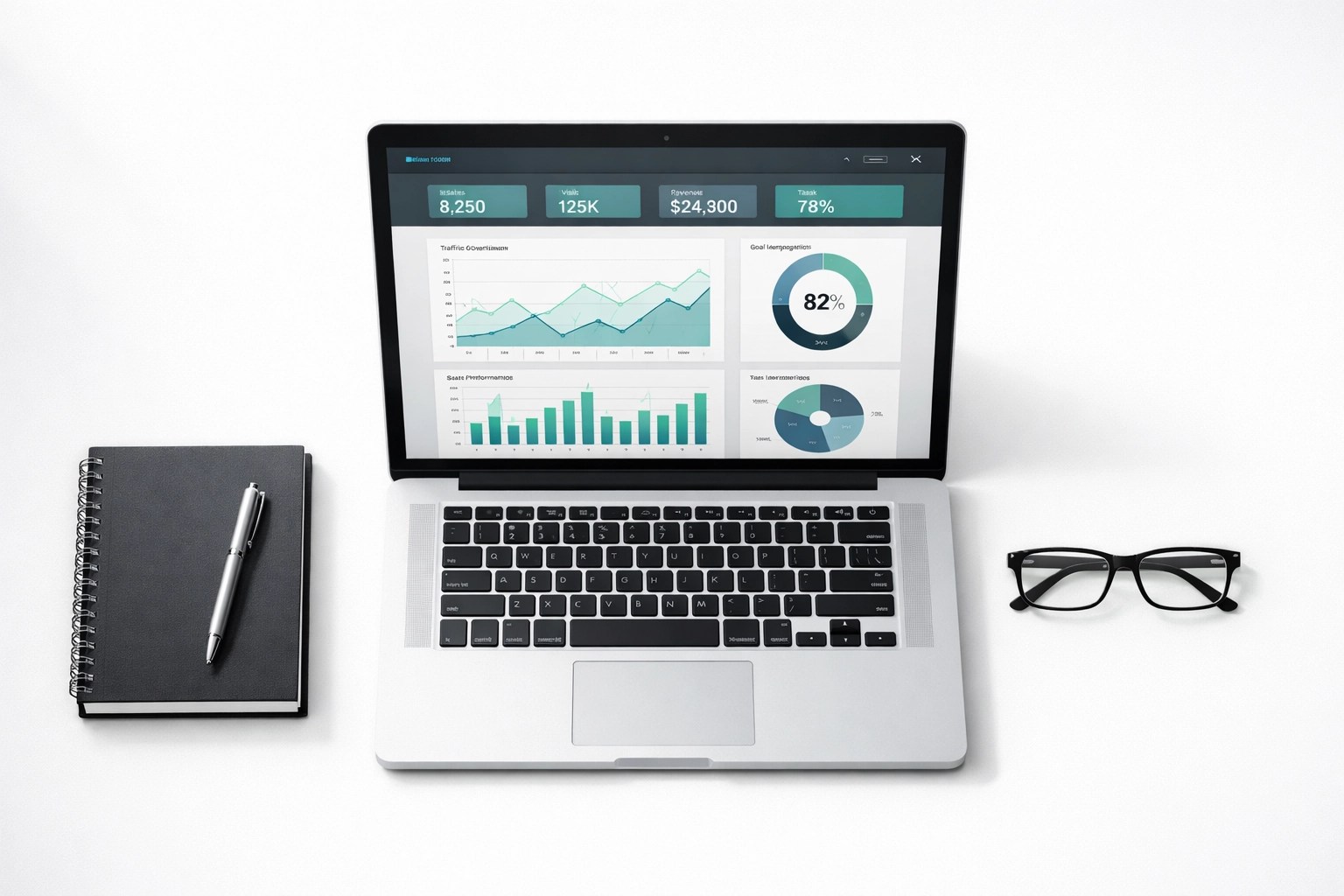
Proactive tracking prevents your organization from exceeding lobbying expenditure allowances. It also provides a defensible record in the event of a state or federal audit. Organizations that wait until the end of a reporting period to compile data frequently omit taxable or reportable expenses, leading to inaccurate disclosures.
Evaluating Lobbying Compliance Services
When looking for lobbying compliance services, you should evaluate providers based on their technical expertise and their familiarity with specific jurisdictional quirks. Professional services manage the administrative burden of filing while reducing the risk of reputational damage.
New Mexico restrictions that commonly require policy controls include:
- Prohibited period. New Mexico applies a Prohibited Period for certain political contributions during legislative sessions (based on NM SOS guidance and statutory restrictions).
- Compensation structure. New Mexico prohibits contingency fees for lobbying (success fees).
- Campaign roles. New Mexico restricts lobbyists from serving as a campaign treasurer or chair (based on NM restrictions that separate lobbying activity from campaign control roles).
Key features to look for in a compliance partner:
- Automated Deadline Alerts: Systems that notify you well in advance of state and federal filing dates.
- Audit Support: The ability to represent your organization if a regulator questions your filings.
- Multi-Jurisdictional Capability: Experience managing reports across different states and local municipalities.
- Secure Data Management: Encrypted systems for storing sensitive financial and strategic information.
KGH Strategies provides comprehensive project management for compliance needs. You will be able to centralize your reporting data and ensure all filings meet the necessary legal standards. Utilizing professional support allows your team to focus on advocacy while maintaining full transparency with regulatory bodies.
You can view our services and contact information on our main website.
KGH Strategies offers professional project management and lobbyist reporting compliance support. We ensure your organization meets all state and federal disclosure requirements accurately and on time.